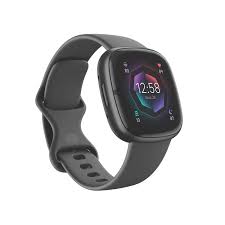
Released in February 2025, the Fitbit Sense 2 was heralded as a breakthrough in comprehensive health tracking. However, after nearly eight months on the market and over 1,000 Amazon reviews averaging around 3.2 out of 5 stars, many users now report that this much‑anticipated device falls short in several key areas. Let’s dive into what the Sense 2 promises, how it really performs, and why its downsides may outweigh its benefits.
Sleek Design But Subpar Build Quality
The Fitbit Sense 2 retains a minimalist design with a 42‑mm case and a sleek silicone band, promising comfort and style. On paper, its design is modern and lightweight—tipping the scales at under 40 grams. Yet, despite its attractive exterior, numerous reviewers have noted that the build quality feels brittle. They compare it to more premium alternatives like the Apple Watch Series 8 or the Oura Ring Gen 3.
What users love:
Some users enjoy its elegant, unobtrusive design and appreciate that it looks more like a fashion accessory than a traditional fitness tracker.
Critics say:
Many have noted that the Sense 2 appears cheaply constructed—with a casing that scratches easily and feels less durable under daily wear. This sentiment is echoed by multiple Amazon reviews, where the perceived fragility has become a major drawback for those seeking reliability in a high‑usage device.
Health and Wellness Tracking: Promises vs. Reality
Fitbit markets the Sense 2 as an all‑in‑one health tracker, boasting features like heart rate variability monitoring, EDA (electrodermal activity) for stress management, and advanced sleep analysis. In practice, however, many users report inconsistency in sensor data. For instance, while the device is designed to offer precise sleep and recovery insights, comparisons with competing wearables (such as the Oura Ring Gen 3) reveal frequent fluctuations and data gaps. The battery is advertised to last up to 6 days, but many users find themselves recharging after 4 days with heavy sensor usage.
What lovers say:
A few fans appreciate the broad range of metrics available and the idea of having a holistic view of wellness all in one device.
Critics say:
A significant number express frustration with inconsistent readings—especially in measurements like stress levels and EDA—making the data feel unreliable. This inconsistency, paired with a battery life that underdelivers when used intensively, has led many tech enthusiasts to question whether the Sense 2 justifies its premium price.
Smart Integration and Ecosystem Limitations
The Sense 2 is designed to work within Fitbit’s ecosystem, offering app integration that syncs your health data to your smartphone. However, many users have found the app interface to be clunky and unintuitive, in stark contrast to the smooth experiences offered by competitors such as the Apple Watch or Oura’s dedicated app. Reports of delayed sync times and frequent recalibration needs are common, undermining the promise of a seamless health management experience.
What users love:
Some casual users appreciate the basic functionality—receiving notifications and a quick glance at daily activity data.
Critics say:
Numerous users have criticized the Fitbit app for its sluggish performance and confusing navigation, noting that it often fails to provide clear, actionable insights from the data. This shortcoming makes the overall smart integration feel incomplete and outdated.
Balancing the Pros and Cons
While the Fitbit Sense 2 does offer a range of health‑tracking features and an attractive design, its real‑world performance has left many users disappointed:
PROS:
- Attractive and minimalist design that doubles as a stylish accessory.
- A wide range of sensors intended to monitor multiple aspects of health.
- Lightweight and comfortable for everyday wear.
CONS:
- Fragile build quality and susceptibility to scratches under daily use.
- Inconsistent sensor data, particularly for stress and sleep tracking, compared to rivals.
- Battery life falls short when using advanced features intensively (often around 4 days instead of 6).
- A clunky, outdated app interface that struggles with data synchronization and ease of use.
Who Should Consider the Fitbit Sense 2?
The Sense 2 might be acceptable for casual users on a budget who want a basic health tracker without demanding ultra-precise metrics. However, for those seeking consistent, reliable data and smooth ecosystem integration, premium alternatives like the Apple Watch Series 8 or Oura Ring Gen 3 may be more suitable. In essence, if you’re a hardcore health and fitness enthusiast who relies on your wearable for every nuanced detail, you might be better off exploring other options.
Final Thoughts
Despite its promising features, the Fitbit Sense 2 has struggled to live up to its expectations in 2025. Many users feel that its inconsistent sensor performance, subpar build quality, and outdated app detract significantly from the overall value. With an average rating of about 3.2 out of 5 on popular platforms, the Sense 2 appears to be overhyped relative to its real-world performance. If you are aiming for a truly reliable health tracker with flawless integration and consistent data, you might want to consider more robust alternatives. For those who prioritize cost savings above all, the Sense 2 may suffice—but be prepared to navigate its considerable shortcomings.
 bytezone.blog